
 Esperanto
 Shqiptare
 Euskara
 Zulu
Zulu
 Latinus
 Cymraeg
 தமிழ்
தமிழ்
 Slovak
 Slovak
 Afrikaans
ACTUALITÉS
Le rôle des écrans LED commerciaux dans l'évolution de l'industrie électrique
2023-09-21 10:40
Table of Contents:
1. Introduction: The Impact of Commercial LED Displays on the Electrical Industry
2. Evolution of LED Technology in the Electrical Industry
3. Advantages of Commercial LED Displays for Businesses
3.1 Enhanced Visual Experience
3.2 Energy Efficiency and Cost Savings
3.3 Versatility and Adaptability
3.4 Increased Customer Engagement
4. Applications of Commercial LED Displays in the Electrical Industry
4.1 Advertising and Marketing
4.2 Information and Communication
4.3 Entertainment and Hospitality
4.4 Transportation and Traffic Management
5. Factors Influencing the Adoption of Commercial LED Displays
5.1 Technological Advancements
5.2 Decreasing Costs
5.3 Changing Consumer Behavior
6. Challenges and Future Trends in Commercial LED Display Technology
6.1 Environmental Considerations
6.2 Integration with IoT and Smart Cities
6.3 Advancements in Pixel Density and Image Quality
7. Frequently Asked Questions (FAQs)
7.1 How do commercial LED displays differ from traditional displays?
7.2 Can commercial LED displays be used outdoors?
7.3 What are the maintenance requirements of commercial LED displays?
7.4 Are commercial LED displays customizable in terms of size and shape?
7.5 How do commercial LED displays contribute to brand awareness?
8. Conclusion: The Enduring Impact of Commercial LED Displays on the Electrical Industry
Introduction: The Impact of Commercial LED Displays on the Electrical Industry
In recent years, commercial LED displays have emerged as a game-changer in the electrical industry, transforming the way businesses engage with their customers. These innovative displays utilize light-emitting diodes (LEDs) to create vivid and dynamic visuals that captivate audiences. From advertising billboards to information displays, LED technology has revolutionized communication and customer experience in various sectors.
Evolution of LED Technology in the Electrical Industry
LED technology has come a long way since its inception, with significant advancements paving the way for commercial applications. Initially used as indicator lights, LEDs gradually evolved to produce brighter and more efficient light. The development of full-color RGB LEDs allowed for greater creative possibilities, enabling the creation of stunning displays with vibrant colors and high contrast ratios.
Advantages of Commercial LED Displays for Businesses
Commercial LED displays offer numerous advantages for businesses looking to enhance their visual communication strategies. Let's explore some of their key benefits:
Enhanced Visual Experience:
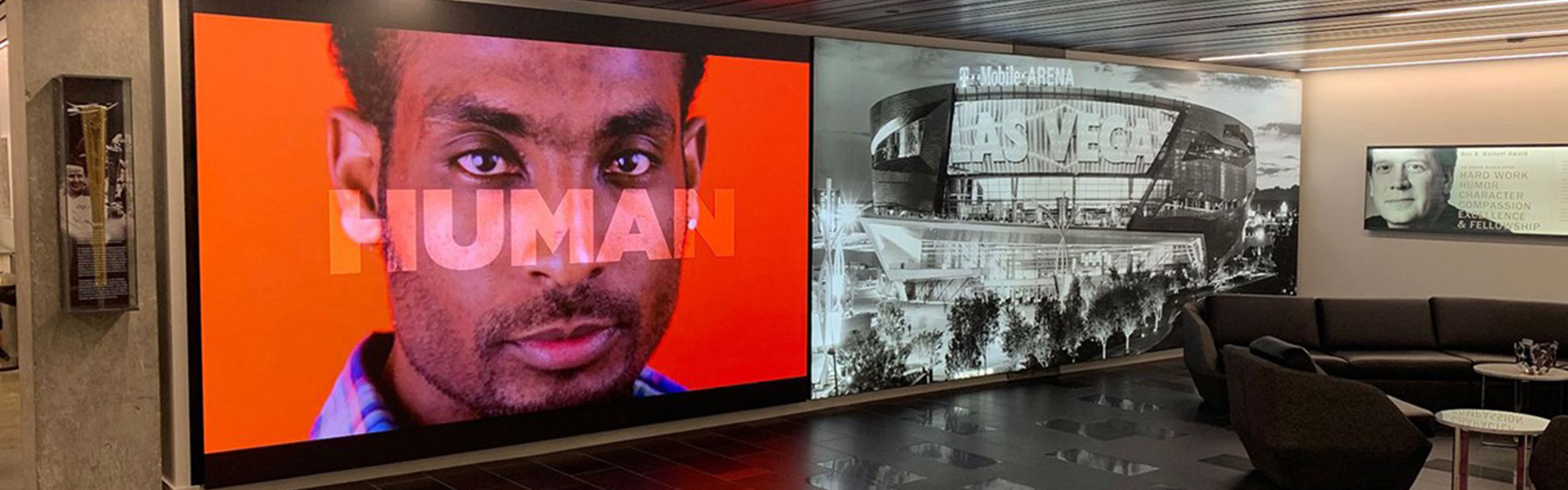
LED displays provide exceptional brightness and clarity, ensuring that messages and visuals are easily visible even in bright outdoor environments. With high refresh rates and excellent color reproduction, these displays deliver a captivating visual experience that grabs attention and leaves a lasting impression.
Energy Efficiency and Cost Savings:
LED technology is renowned for its energy efficiency, consuming significantly less power than traditional display technologies. This not only reduces electricity costs but also contributes to a greener and more sustainable environment. Moreover, the longevity of LED displays translates into lower maintenance and replacement expenses, making them a cost-effective investment.
Versatility and Adaptability:
Commercial LED displays are available in various sizes, shapes, and formats, allowing businesses to customize their communication strategies to suit specific needs. Whether it's a large outdoor billboard or a small indoor screen, LED displays can be tailored to fit diverse applications and environments.
Increased Customer Engagement:
With their eye-catching visuals and dynamic content capabilities, LED displays have the power to captivate and engage customers like never before. Whether used for advertising, information dissemination, or entertainment purposes, these displays create immersive experiences that leave a lasting impact on viewers.
Applications of Commercial LED Displays in the Electrical Industry
The applications of commercial LED displays in the electrical industry are vast and diverse. Let's explore some of the key sectors where these displays have made a significant impact:
Advertising and Marketing:
LED billboards and digital signage have transformed the advertising landscape, enabling businesses to deliver targeted and engaging content to a wide audience. With the ability to display dynamic visuals and adapt content in real-time, LED displays have become an indispensable tool for capturing attention and promoting brands effectively.
Information and Communication:
LED displays find extensive use in information centers, transportation hubs, and public spaces, providing real-time updates, directions, and announcements. From displaying flight information at airports to guiding visitors in shopping malls, LED displays ensure efficient and clear communication, enhancing user experiences and reducing information overload.
Entertainment and Hospitality:
In the entertainment and hospitality industry, LED displays have become an integral part of creating immersive and captivating experiences. Whether it's in stadiums, concert venues, or hotels, LED displays enhance the overall ambiance and allow for creative visual storytelling, amplifying the enjoyment of audiences and guests.
Transportation and Traffic Management:
LED displays play a crucial role in transportation and traffic management systems. From displaying traffic conditions and travel information to guiding drivers and pedestrians, these displays contribute to safer and more efficient mobility. LED-based traffic signals have also replaced traditional incandescent bulbs, offering better visibility and energy savings.
Factors Influencing the Adoption of Commercial LED Displays
Several factors have contributed to the widespread adoption of commercial LED displays across industries. Let's explore some of the key drivers behind their popularity:
Technological Advancements:
Advancements in LED technology, such as improved brightness, higher resolutions, and increased durability, have expanded the possibilities for commercial applications. These advancements have made LED displays more appealing and reliable for businesses, encouraging their adoption and integration into various communication strategies.
Decreasing Costs:
As LED technology has matured, the costs associated with manufacturing LED displays have significantly decreased. This affordability has made LED displays more accessible to businesses of all sizes, driving their adoption and market penetration.
Changing Consumer Behavior:
In an era where digital interactions have become the norm, consumers have come to expect visually engaging experiences. Businesses have recognized the need to adapt their communication strategies accordingly, leading to an increased demand for LED displays that can effectively capture and retain audience attention.
Challenges and Future Trends in Commercial LED Display Technology
While commercial LED displays have come a long way, there are still challenges to overcome and exciting future trends to explore. Let's delve into some of these areas:
Environmental Considerations:
As the world becomes more environmentally conscious, the electrical industry faces the challenge of ensuring LED displays are manufactured and disposed of responsibly. Efforts are being made to improve the sustainability of LED technology, including the use of eco-friendly materials and recycling programs.
Integration with IoT and Smart Cities:
The integration of LED displays with the Internet of Things (IoT) is a significant trend that enables seamless communication and data exchange. In smart cities, LED displays can provide real-time information, monitor environmental conditions, and enhance overall urban experiences.
Advancements in Pixel Density and Image Quality:
As technology progresses, LED displays are expected to achieve higher pixel densities and improved image quality. This will enable businesses to deliver more detailed and visually stunning content, further enhancing customer experiences and engagement.
Frequently Asked Questions (FAQs):
1. How do commercial LED displays differ from traditional displays?
Commercial LED displays utilize light-emitting diodes (LEDs) as the light source, providing superior brightness, energy efficiency, and longer lifespans compared to traditional displays such as LCDs or plasma screens.
2. Can commercial LED displays be used outdoors?
Yes, commercial LED displays are designed to withstand outdoor environments. They are built with weatherproof and durable materials, ensuring optimal performance even in harsh conditions.
3. What are the maintenance requirements of commercial LED displays?
LED displays require minimal maintenance. Regular cleaning and inspection of connections are recommended to ensure optimal performance and longevity.
4. Are commercial LED displays customizable in terms of size and shape?
Yes, one of the key advantages of LED displays is their versatility. They can be customized to various sizes and shapes, allowing businesses to create unique and impactful visual installations.
5. How do commercial LED displays contribute to brand awareness?
LED displays offer businesses the opportunity to showcase their branding, products, and messages in a visually appealing and attention-grabbing manner. This contributes to increased brand awareness and recognition among target audiences.
Conclusion: The Enduring Impact of Commercial LED Displays on the Electrical Industry
The emergence and evolution of commercial LED displays have revolutionized the electrical industry, transforming the way businesses communicate with their audiences. With their enhanced visual experience, energy efficiency, versatility, and numerous applications, LED displays have become an indispensable tool for businesses in various sectors. As technology advancements continue and consumer expectations evolve, the role of commercial LED displays will only grow, further shaping the future of the electrical industry.
Nouvelles recommandées








Contact
Bureau:+ 86 0755-89341658
Mobile:+ 86-13924645917
Personne à contacter: Sita
Feedback

